
Thirty years is a long time in any industry. In residential and mixed-use development, it's long enough to watch neighborhoods rise, evolve, and — in the best cases — become the kind of places people never want to leave.
At The PARC Group, we've had a front-row seat to decades of change in how people think about home. We've watched buyer priorities shift, then shift again. We've seen trends arrive loudly and leave quietly. And through it all, we've learned to separate what buyers say they want from what they actually need to live well.
Here's what three decades of building premier communities has taught us.
The house was never really the point
When buyers start their search, they tend to focus on square footage, bedroom count, and kitchen finishes. Those things matter. But when we talk to residents a year after move-in — and five years after — the conversation almost always turns to something else entirely.
They talk about their neighbors. About the Saturday morning they ran into someone on the walking trail and ended up with a dinner invitation. About their kids riding bikes to the neighborhood pool without them having to worry. About the way the streets feel at dusk.
What people are actually buying is a way of life. The home is the entry point. The community is the destination.
That insight has shaped every decision we make — from how we orient homes toward shared green space, to why we insist on walkable streetscapes, to how we plan commercial elements within mixed-use projects so they serve the people living there, not just passing traffic.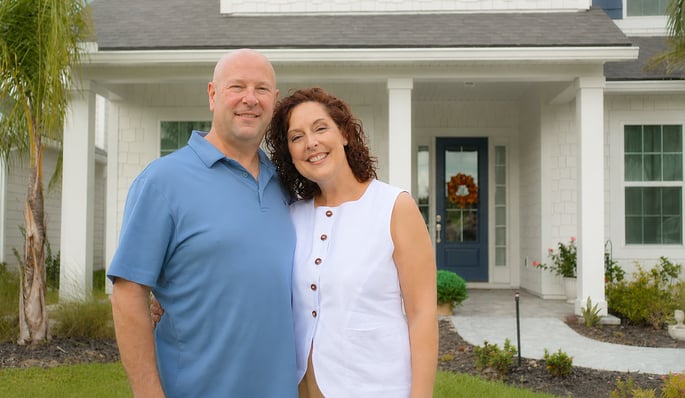
Open floor plans are here to stay — but for reasons that have changed
Twenty years ago, buyers wanted open floor plans because they looked impressive in photos and felt spacious during showings. Today, they want them for entirely different reasons: remote work, multigenerational living, and the blurring of home and social life.
The kitchen island that was once a design statement is now a workspace, a homework station, and a gathering place — often all in the same day. Buyers want flexibility, not just square footage.
We've responded by designing homes with adaptable spaces that work as hard as the people living in them. A room that functions as a guest suite today should be able to serve as a home office, a hobby room, or an aging parent's suite tomorrow. Longevity in design isn't a luxury — it's the expectation.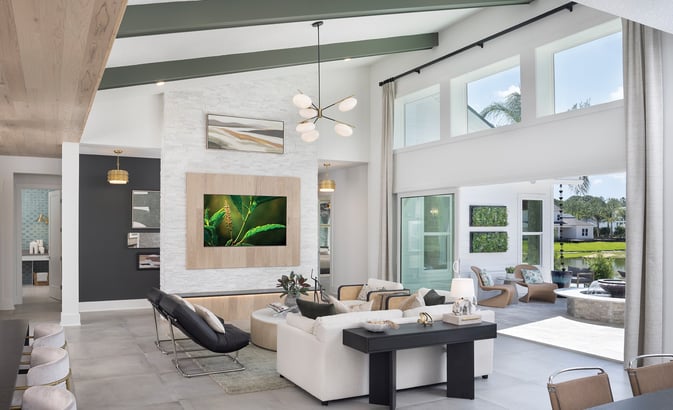
Location has been redefined — repeatedly
For decades, "location, location, location" meant proximity to downtown, top-rated schools, and major employment corridors. Those factors still matter. But we've watched the definition of a desirable location expand and shift in ways that few anticipated.
The rise of remote work reshuffled the map. Buyers who once needed a 20-minute commute to the office suddenly had a 20-minute commute to the desk in their spare bedroom. Distance from the urban core became less of a constraint, and lifestyle factors — walkable amenities, natural surroundings, community quality — moved up the priority list.
What's remained constant is this: buyers want to feel like they chose a place, not just a property. Master-planned communities give them that. When the neighborhood itself has been thoughtfully designed — when the parks, retail, schools, and streetscapes are all part of a coherent vision — residents feel a sense of pride and belonging that resale properties in ad-hoc subdivisions rarely provide.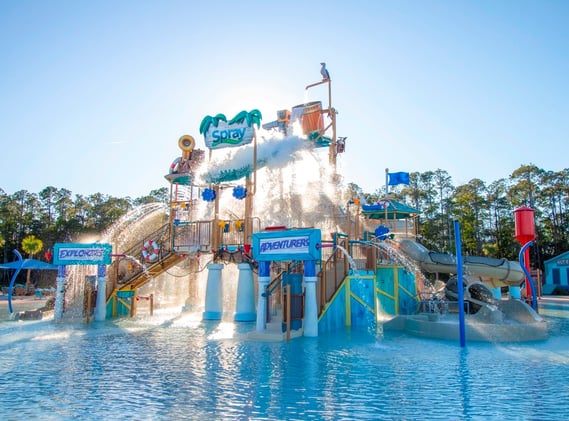
Sustainability moved from a selling point to a standard
There was a window in the early 2000s when solar-ready homes and native landscaping were considered premium differentiators. Developers marketed them as upgrades. Buyers paid a premium for them.
That window has closed. Today, buyers expect environmental responsibility as a baseline. Energy efficiency, thoughtful stormwater management, preservation of natural features, tree canopies, and community green space are no longer nice-to-haves — they're requirements.
We've always believed that the best communities complement their environment rather than overrun it. What's changed is that buyers now walk in with that expectation already formed. They want to know how the land was treated, how the community will age, and whether their neighborhood will still feel like a good place to live in twenty years.
Those are exactly the right questions. And they're questions we've been asking ourselves for thirty years.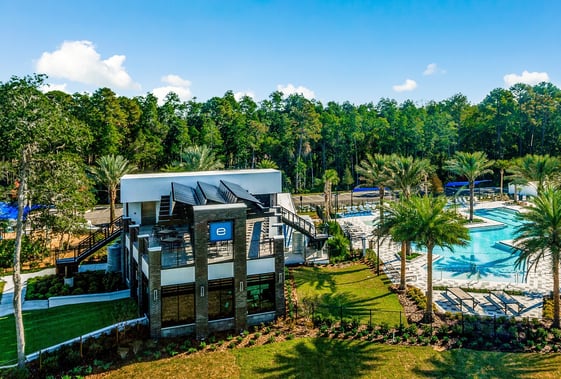
The measure of success has always been the same
Sales volume changes. Market cycles come and go. Buyer demographics evolve. But the measure we keep coming back to is the simplest one: are the people who live in our communities proud to call them home?
Not just in the first year, when everything is new and the landscaping is freshly installed. Five years in. Ten years in. When the original residents are recommending the neighborhood to their siblings and coworkers. When resale prices hold because buyers want in. When people walk the trails on weekday mornings and actually know each other's names.
That's the benchmark. It always has been.
Thirty years of work hasn't made us certain about everything — markets are too dynamic for that kind of confidence. But it has made us deeply certain about this: the communities that endure are the ones built around people first, and transactions second.
That's the kind of community we set out to build. Every time.
Interested in learning more about The PARC Group's residential and mixed-use communities? Contact us to find out what's available.


